Handling the Unexpected
July 15, 2026 · 2 min read
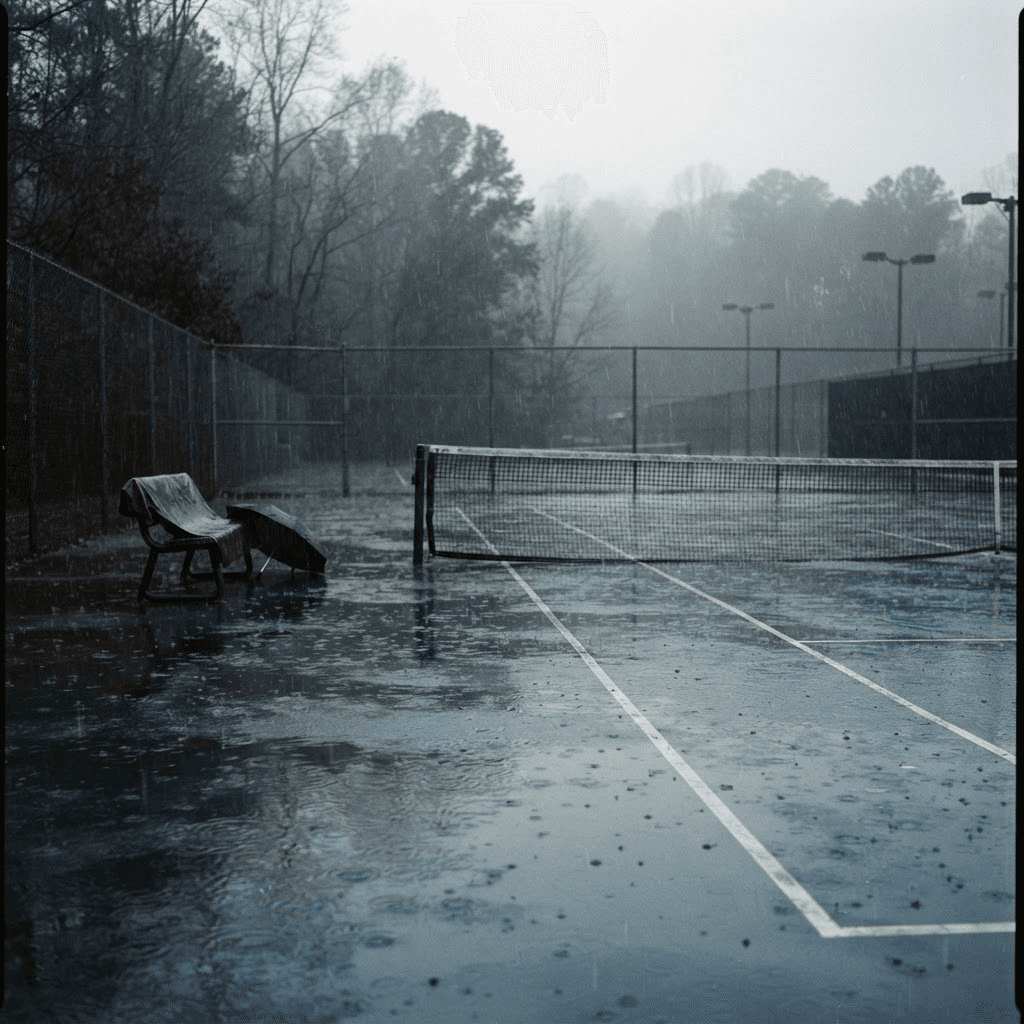
The biggest takeaway from these two weeks revolves around dealing with unpredictable weather conditions while traveling and competing in tournaments. During our tournament in Macedonia, it rained for three consecutive days, which kept pushing our match further into the week and forced us to stay patient. I still made sure to go to the gym every day, but a large part of those days was spent sitting or lying down, waiting for updates and hoping the weather would clear.
Although I didn't think much of it at the time, it definitely affected how I felt once I finally stepped back on court. My body felt sluggish, my joints were stiff, and I just didn't feel as explosive or as light on my feet as I normally do. Even though I had technically been "resting," I realized that too much inactivity can actually leave your body feeling less prepared to compete.
A very similar situation happened the following week at our tournament in Serbia. We won our first match, but it rained on the day we were supposed to play our second-round match. Once again, we didn't do much that day besides wait. When we finally got back on court the next day, our opponents had already played a match before facing us. They had gone through their warm-up, their competitive routines, and had already found their rhythm, while we had spent another day being mostly inactive. Looking back, I think that put us at a disadvantage before the match had even started.
The lesson I take away from these experiences is simple: move, move often, and keep your body lubricated.
Preparing for competition isn't only about getting enough rest - it's also about making sure your body continues to move, even when you're not playing. Mobility work, light activation, stretching, short walks, or even a quick dynamic warm-up throughout the day can make a huge difference in how you feel once it's time to compete.
Having your body physically ready is arguably one of the most important aspects of preparation leading up to a match. You can't always control the weather, scheduling delays, or other external circumstances, but you can control how prepared your body is when the opportunity to compete finally arrives.
Going forward, I'll make it a priority to include more frequent mobility sessions, activation work, and short movement breaks whenever tournaments are delayed. Instead of treating rain delays as complete rest days, I'll use them as opportunities to stay loose, maintain good movement, and make sure my body is ready to perform whenever my name is called. Sometimes, the smallest habits - like spending ten minutes getting your body moving - can make the biggest difference when the match finally begins.